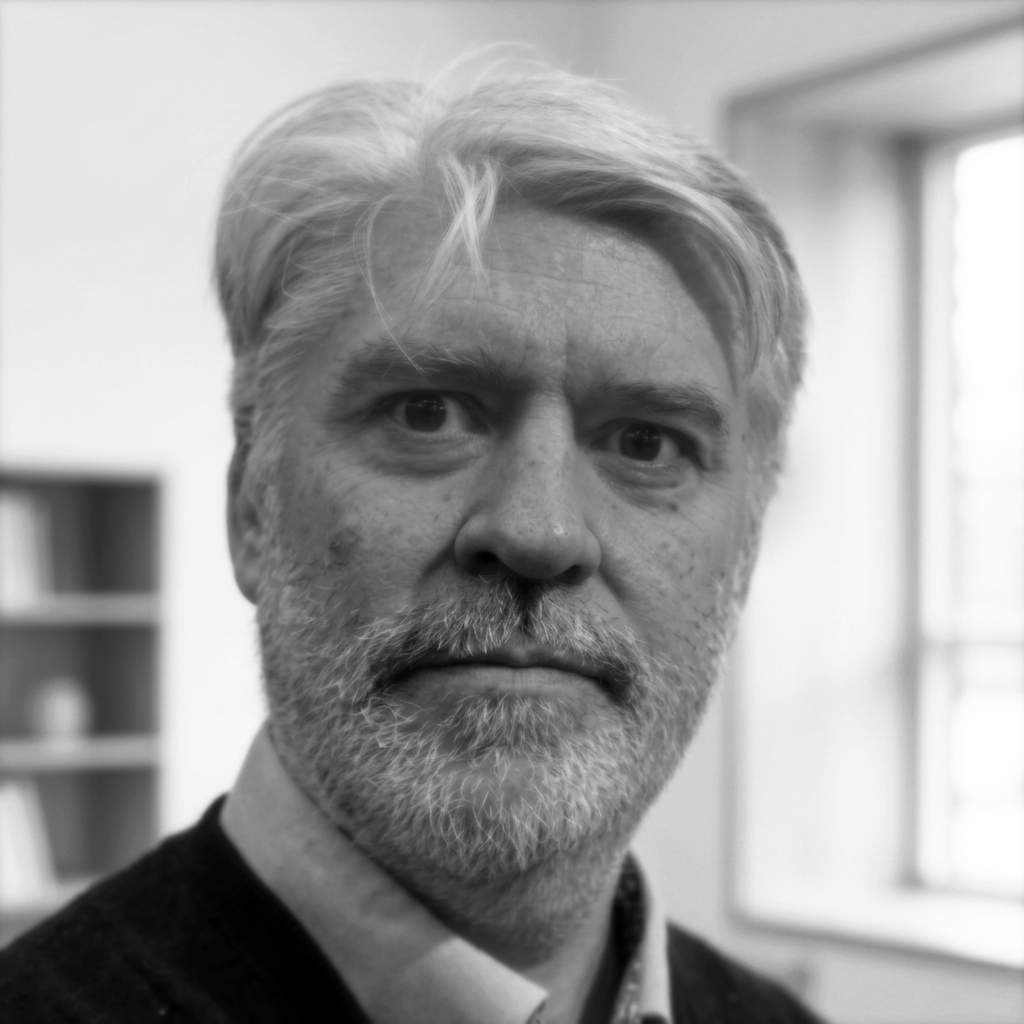
Carl Johan Klang
CEO, Board Member
Senior international business and product leader. Globally responsible for Electrolux Air Con, Heating and Purification businesses.
We have developed the next generation of residential heating. Heat pump and ventilation technologies integrated into one system - unlocking new levels of efficiency and energy savings.
The cleanest energy is the energy never lost in the first place. Nature has always known this. In a living system nothing is discarded; warmth and air move from one place to the next, over and over.
We built BAS to work the same way: heating and ventilation as one system, where what one part gives up, another puts back to work. That's what we're building toward. Spaces that make the most of everything, wherever people live and work.

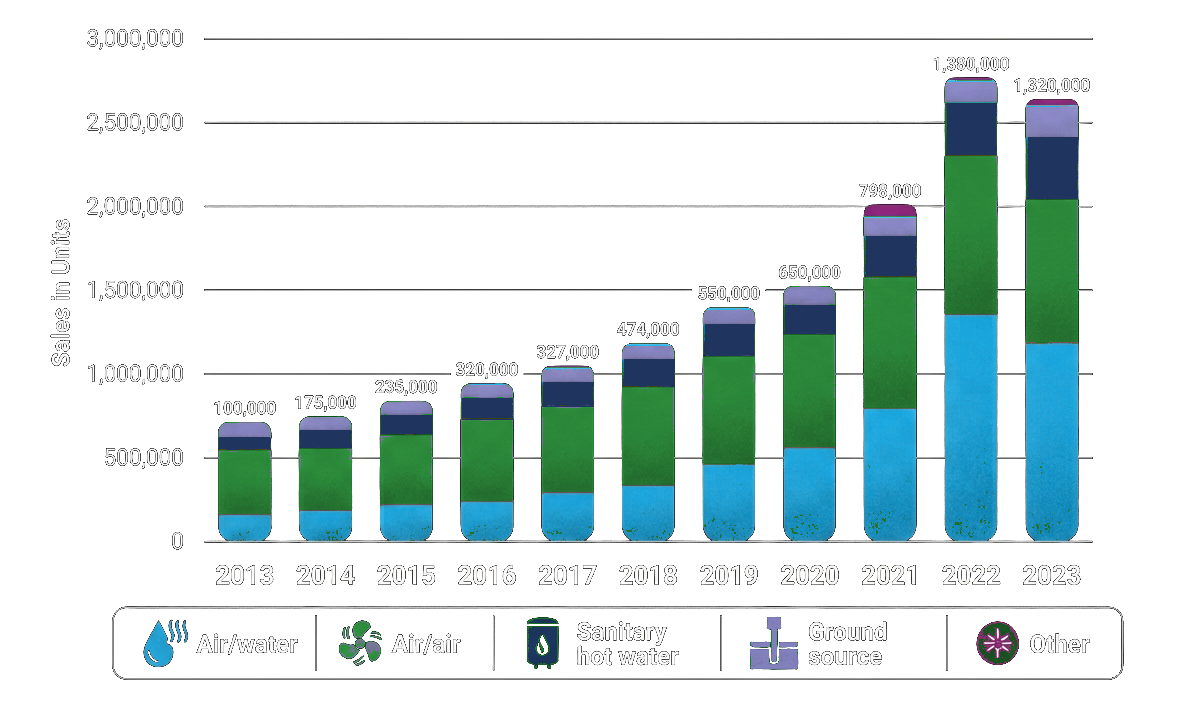
Across Europe, residential heating is going through its biggest shift in a generation. Tens of millions of homes still run on gas and oil, and they are steadily being replaced - driven by climate targets, government subsidy, and the economics of a volatile fossil fuel market. Heat pump is the core technology of that shift.
It creates a second, less obvious challenge. Older homes were ventilated by their boilers - combustion drew air through the building. Remove the boiler, tighten and insulate the house, and that natural air exchange disappears, making proper ventilation essential rather than optional.
BAS is built for this use case. It combines a heat pump with ventilation heat recovery in a single, integrated system - engineered for higher efficiency than standalone alternatives. As the market moves at scale, efficiency and simplicity of installation become the deciding factors.
Regulation and subsidy are key factors driving this transition. The EUs Energy Performance of Buildings Directive commits member states to decarbonise their building stock through 2050, raising standards for energy efficiency and indoor air quality alike. In Germany, the Building Energy Act (GEG) and subsidies continue to favour heat pumps for new installations, even as the specific rules are revised - and every home converted means less energy used and less carbon emitted.
A conventional setup treats heating and ventilation as two separate problems: a heat pump for warmth, and a ventilation unit that recovers some heat before releasing stale air outside. BAS connects them - so the energy that would otherwise be lost in the exhaust air is put back to work.
The integration operates on three levels, each targeting a point where conventional systems lose energy or reliability:
It extracts additional energy from exhaust air, beyond what standard heat recovery captures, and feeds it into the refrigerant cycle.
It sustains efficiency in cold weather, where standard systems lose ground to frost.
It directs energy between heating and hot water without a mechanical switching valve — removing a common point of failure.
This is protected by granted European and Swedish patents.
Benefits:
Around 25% less than a heat pump and ventilation system installed separately.
The same heating demand met with a smaller unit, because ventilation recovery carries part of the load.
A common mechanical point of failure has been engineered out.
BAS Air Energy has already taken concrete steps to protect and validate the core innovation behind the technology.
The core technology is protected by granted European and Swedish patents covering the integrated system principle. In collaboration with KTH's Energy Department and with grant funding from Energimyndigheten, we built a working prototype and demonstrator, then tested it extensively in KTH's climate chambers to validate the system's technical performance. That foundation now underpins the development of a consumer-ready product.
European and Swedish patents protect the integrated system at the core of BAS.
Core performance quantified and confirmed through extensive testing in a university laboratory environment (accredited).
A first prototype has demonstrated the concept in operation — the basis for the consumer-ready system now in development.
BAS Air Energy has been selected to take part in KTH Innovations Launch program.
An experienced team that has run global home comfort businesses at Electrolux - leading business development, product innovation, and patent strategy. That sits alongside ongoing research at KTH Energy Technology and manufacturing and installation expertise from Härnösand - a mix of industry, academic, and engineering depth not often found at this stage.
Senior international business and product leader. Globally responsible for Electrolux Air Con, Heating and Purification businesses.

Senior international business leader. Previously globally responsible for Innovation, Patent and Product Sustainability at Electrolux AB, Board member and Acting Head of Product and Marketing at Wibe Group.
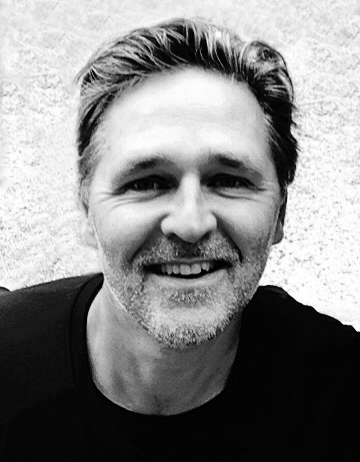
Has a long experience as an Communicator and Project Manager, at advertising agencies such as; Saatchi & Saatchi, Ogilvy & Mather, Publicis Groupe, Lantmännen Inhouse, Citat and adidas Sweden. Started an innovation project together with Arne Moberg with a focus on energy solutions. The project developed into a concept called BAS 1.

Serial entrepreneur, Founder of Retail Hub. Advisor for big international brand with focus on branding and sales.
Senior IP and Patent leader. Head of Patents and IP at Electrolux.

Associate Professor at KTH Energiteknik and the technical lead for BAS. Brings deep expertise in heat pump and energy systems development.
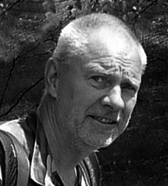
Inventor and serial innovator. A background in meteorology, biology and ecology has fuelled a cross-disciplinary approach to engineering, yielding numerous patents. Started an innovation project together with Stefan Bredell with a focus on energy solutions. The project developed into a concept called BAS 1.
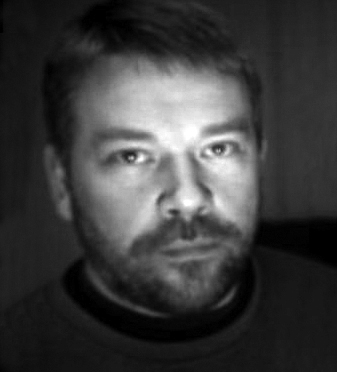
Owner of TRN Värmepumpar in Härnösand, with hands-on expertise in heat pump manufacturing and installation. Leads prototype construction and brings the practical engineering perspective.